Amo
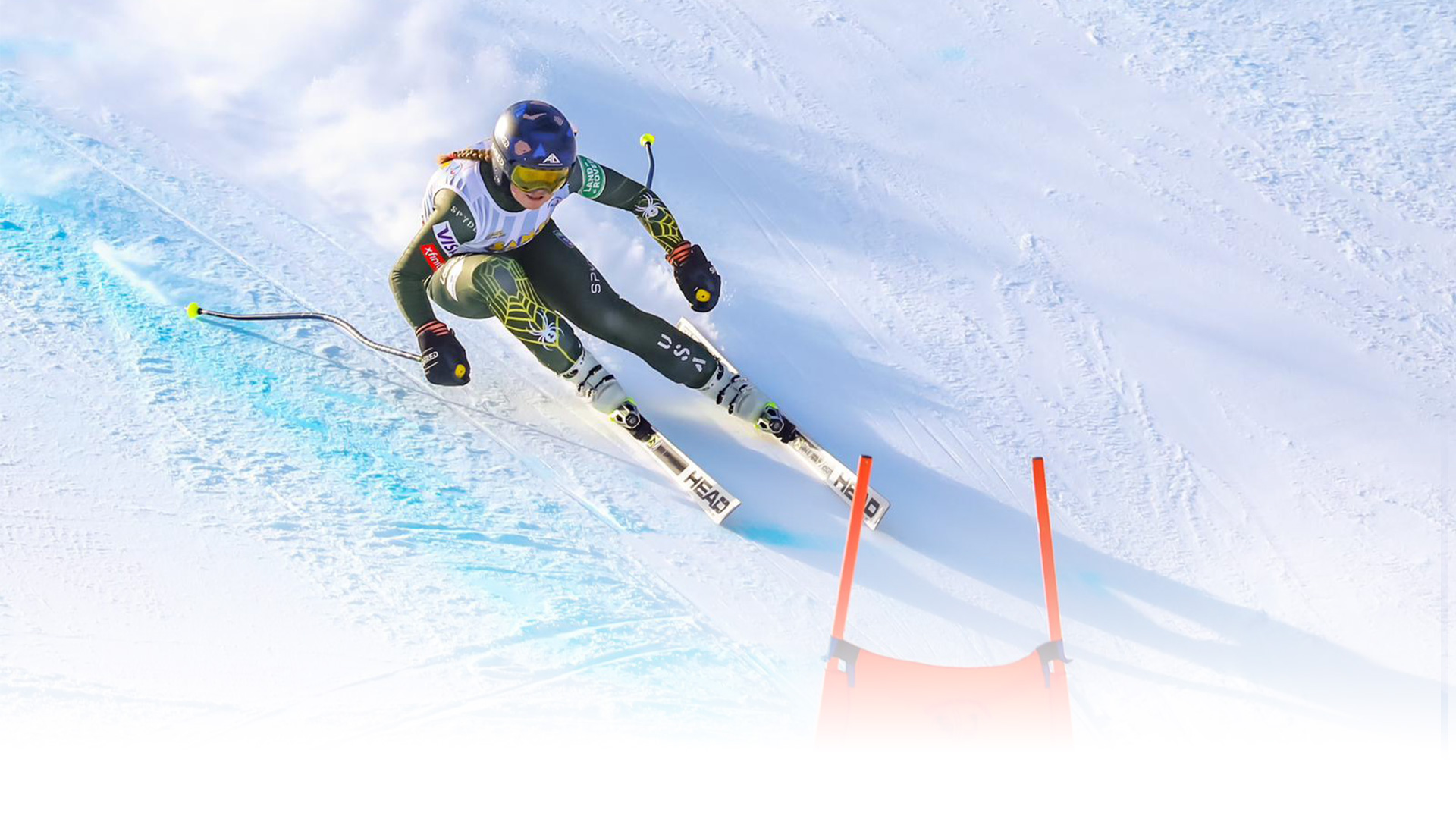
Alpine Racing - Competitive
Alpine Racing - Competitive
Competitive alpine skiing, also known as downhill skiing or alpine racing, is a sport where skiers race down a snow-covered mountain slope, navigating gates, to achieve the fastest time. It encompasses various disciplines, each with unique characteristics regarding course design, gate placement, and required skills. Key aspects:
1. Disciplines:
- Downhill: Emphasizes speed and requires a combination of technique, courage, and risk-taking. Skiers reach high speeds with few turns.
- Super-G (Super Giant Slalom): Combines speed with more technical turns than downhill.
- Giant Slalom: A technical event with wider turns and more gates than slalom.
- Slalom: The most technical event with the shortest course and fastest turns, requiring precision and agility.
- Alpine Combined: Consists of one run of downhill and one run of slalom.
- Parallel Events: Involve skiers racing head-to-head on identical courses.
2. Key Elements:
- Gates: Red and blue gates, consisting of two poles connected by a banner, mark the course. Skiers must navigate around these gates in the correct order.
- Course Design: Varies for each discipline, with different lengths, gradients, and gate spacing.
- Time Trial Format: Skiers race individually against the clock, aiming for the fastest time.
3. Competitive Structure:
- FIS Alpine Ski World Cup: The premier annual competition for alpine ski racing, with events held in various countries.
- Winter Olympics: Alpine skiing is a major event at the Winter Olympics.
- Other Competitions: Lower-level circuits like the NorAm Cup and Europa Cup provide opportunities for development.
- National: US Ski & Snowboard is the national governing body for alpine skiing in the United States, divided into 3 major Regions (East, Rocky/Central, West), and divisions within each region.
- Western Region
- Divisional – Far West